hally vai perder IEM Rio e também PGL Astana por questões de saúde
hally vai perder IEM Rio e também PGL Astana por questões de saúde
When a prominent player is reported to miss major Counter-Strike 2 events due to health reasons, the ripple effects extend beyond the matchroom. Teams, organizers, and the wider community must adapt to changes in roster composition, preparation routines, and public interest. This article explores common implications and practical approaches in such situations, focusing on competitive balance, team operations, and market perceptions.
Competitive and tactical implications
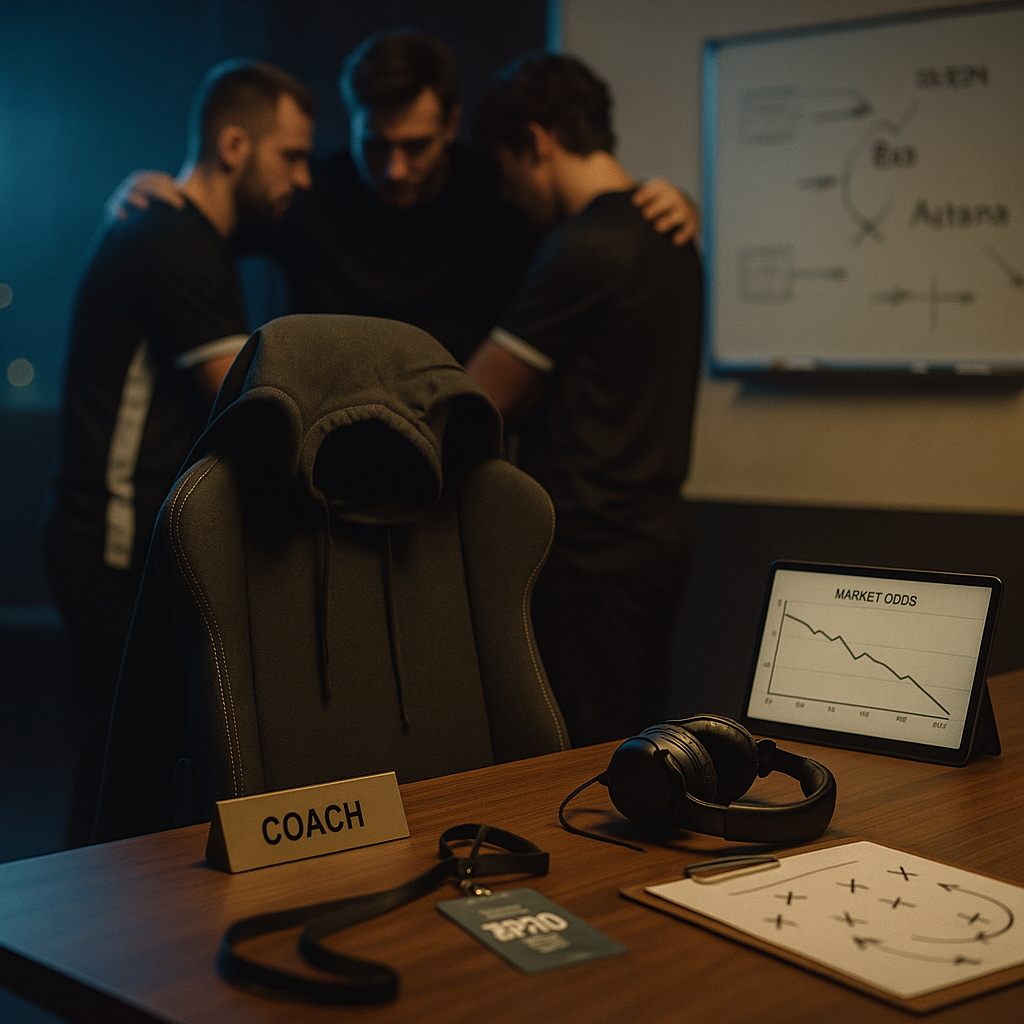
The absence of a well-known player can alter a team’s competitive profile. Different players bring distinct roles, timing, and decision-making patterns that are integrated into team strategies. When a key member is unavailable, teams often need to simplify or modify tactical plans to accommodate a substitute or to redistribute responsibilities among remaining starters.
Substitutes commonly differ in individual style and experience, which can change in-game dynamics. Coaches and analysts typically prioritize clarity of roles and communication over introducing complex new tactics shortly before a tournament. That pragmatic approach helps stabilize performance under constrained preparation time.
Team preparation and roster management
From an organizational perspective, handling a health-related absence involves both short-term and medium-term planning. Short-term responses include identifying an available stand-in with compatible playstyle and ensuring sufficient practice sessions to build synergy. Teams also review map pools and utility usage to align the substitute’s strengths with team needs.
Longer-term considerations may involve assessing the health situation, workload management for returning players, and internal support mechanisms. Maintaining transparent internal communication and safeguarding player well-being are central to sustainable performance. Medical confidentiality and respect for privacy should guide how information is shared publicly and internally.
Event organizers and scheduling
Tournament organizers face logistical and narrative challenges when a high-profile competitor is absent. From a logistical standpoint, organizers must ensure smooth bracket progression and maintain competitive integrity. They often rely on established rules for roster changes and substitutions to handle these scenarios consistently.
On the narrative side, promotional plans and broadcast storylines may need adjustment. Organizers and broadcasters typically shift emphasis toward other matchups, emerging storylines, or broader competition arcs to preserve viewer engagement without centering speculation on personal matters.
Community and market impacts
The esports community often reacts strongly to roster news, and that can influence local chatter, content creation, and digital markets tied to the game. Interest levels in particular teams or matchups can fluctuate, and community attention may move to other players or storylines.
In marketplaces related to in-game items, community sentiment and visibility can affect short-term demand patterns. However, market movements are driven by a mix of factors, including broader tournament hype, roster stability, and long-term narratives. When a player steps back for health reasons, market responses are typically part of a wider, complex ecosystem rather than a single cause-effect event.
Guidance for stakeholders
Teams should prioritize clear role allocation, focused practice with substitutes, and player welfare protocols. Preparing contingency plans for common scenarios helps reduce disruption. Open, respectful communication with fans that balances transparency and privacy also supports trust.
Fans and community members can aid a constructive environment by avoiding speculation about personal health matters. A focus on competitive aspects, match analysis, and appreciation for player welfare fosters a more sustainable scene.
Conclusion
When a notable player is unavailable for events due to health reasons, competitive and operational adjustments are typically necessary across teams and tournaments. The immediate impacts range from tactical changes to shifts in community attention, while market signals reflect broader context rather than isolated incidents. Prioritizing clear processes, respectful communication, and player well-being helps mitigate disruption and supports the competitive integrity of events.